




The High Cost of Low SDLT: What Counts as "Not suitable for use as a dwelling"?
If you are a developer, the question of whether a building is "not suitable for use as a dwelling" for Stamp Duty Land Tax (SDLT) purposes has become increasingly relevant - and carries risk. With a surge in claims arguing that uninhabitable properties are not suitable for use as a dwelling (and therefore eligible for lower non-residential SDLT rates), HMRC is cracking down. But what really counts as unfit for use as a dwelling? According to HMRC's Agent Update on uninhabitable dwellings, more than 95% of repayment claims submitted to HMRC in this area were found to be incorrect, underlining the importance of obtaining specialist advice before claiming non-residential SDLT treatment. This briefing outlines the legal landscape, key criteria, and practical considerations to help you navigate this SDLT classification.
The basic framework
Generally speaking, SDLT is payable at the higher residential rates if a building is suitable for use as a dwelling. If it is not, SDLT is payable at the lower commercial rates. The savings can be significant, but developers should be alert to the potential pitfalls of making inaccurate SDLT returns. If a claim is successfully challenged by HMRC, then developers face the prospect of paying the shortfall with interest and potentially a penalty too.
Setting the bar : Mudan v HMRC
HMRC’s view is that only a small minority of dwellings will have deteriorated to the point where they are not suitable for residential use. This is supported by the recent case of Mudan & Anor v HMRC [2025]. That case decided upon whether a property requiring significant renovation was considered "suitable for use as a dwelling" for SDLT purposes.
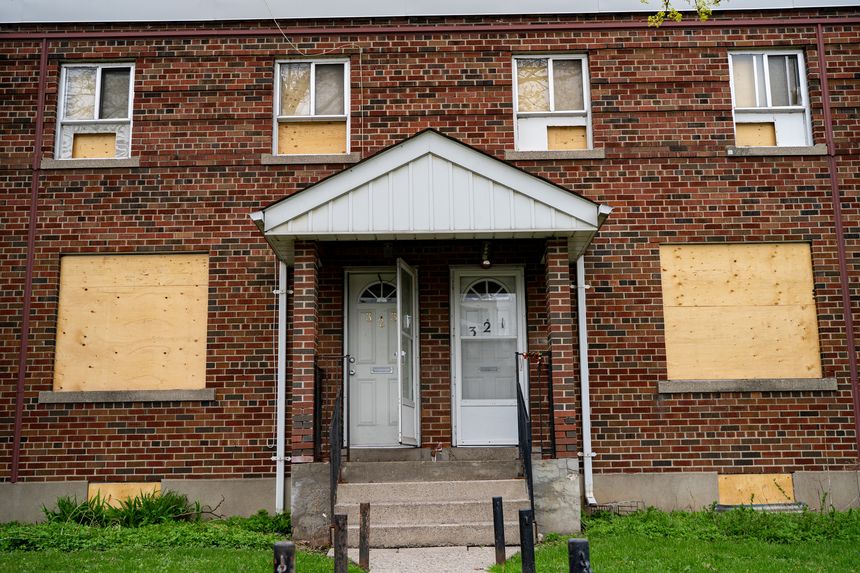
The property in question required complete rewiring, existing pipes were leaking, a new boiler was needed together with pumps and gas and water pipes, and the roof was missing over the boiler room. The windows and doors (including the locks) were broken and a significant amount of rubbish needed to be removed from both inside and outside the property.
Nevertheless, the Court of Appeal upheld previous rulings that the property was still residential in character and subject to the higher SDLT rates. The building had previously been used as a dwelling and, despite needing extensive repairs, was structurally sound. The test is suitability for use, not readiness for immediate occupation.
Where the line was crossed : Oakwood Great Oak Ltd v HMRC
It remains a high bar. There is a distinction between properties in need of significant modernisation or renovation and properties which have genuinely ceased to possess the characteristics of a dwelling. However, the First-tier Tribunal's recent decision in Oakwood Great Oak Ltd v HMRC [2026] demonstrates that the assessment is multifactorial and fact-sensitive. The Tribunal emphasised the cumulative effect of severe deterioration, contamination, structural concerns and the practical consequence of remediation works when determining whether a building remained suitable for use as a dwelling.
In Oakwood, the property remained physically standing, retained a recognisable residential layout and had historically been used as a dwelling. Nevertheless, the Tribunal concluded that the cumulative effect of the defects affecting the property, including extensive asbestos contamination and the exceptional scale of the remediation and reinstatement works required, meant that the building had "crossed the line" and no longer possessed the characteristics of a dwelling. While Oakwood does not alter the legal principles established in Mudan, it provides an important example of circumstances in which a property may cease to be residential property notwithstanding that remediation remains technically possible.
The factors that matter
Whether a property is suitable for use as a dwelling remains a question of fact and degree. In Oakwood, the Tribunal considered a range of relevant factors, including:
- Historic residential use: the property had long been used as a dwelling, which remained a strong indicator of residential character.
- Physical condition: extensive deterioration, damp, cracking, damage and disrepair weighed against the property remaining a dwelling.
- Structural concerns: while the property was not at imminent risk of collapse, structural issues formed part of the wider assessment.
- Asbestos contamination: particular weight was given to widespread asbestos contamination requiring extensive specialist remediation works.
- Consequences of remediation: the Tribunal considered not only the removal of asbestos but also the substantial reinstatement works that would be required afterwards before the property could function as a dwelling again.
- Theoretical repairability: the Tribunal rejected the proposition that a property must remain residential simply because it is technically capable of repair.
- Cumulative effect of defects: no single defect was decisive; rather, the Tribunal assessed all of the issues collectively.
- Overall character: despite remaining physically standing and retaining a recognisable residential layout, the cumulative effect of the property's condition meant that it had "crossed the line" and no longer possessed the characteristics of a dwelling.
A warning of anti-avoidance
Developers should also note that intentionally carrying out works to render a property "not suitable for use as a dwelling" is not a short-cut to escaping residential property status. SDLT contains specific anti-avoidance provisions aimed at arrangements which reduce SDLT liability which are intended to counteract arrangements that reduce SDLT liability.. Developers should therefore be wary of taking contrived or artificial steps designed solely to obtain a more favourable SDLT outcome.
The views of the Tribunal highlight the value of professional guidance when dealing with complex land tax matters. Following Oakwood, particular attention should be given to obtaining robust evidence concerning the cumulative condition of the property, including structural surveys, environmental assessments, asbestos reports, remediation strategies and evidence regarding the scale and consequences of any works required before the building could function as a dwelling again.
Contact us
Given the financial stakes involved and the current enforcement climate, early professional guidance can be the difference between a legitimate saving and an unwelcome tax bill with interest and penalties attached. Howard Kennedy has a dedicated team of tax professionals with experience in complex land tax matters. If you have a development or tax-related query, or need guidance on a specific property, please contact us.
/Passle/57bd9d773d94740310eec5b7/SearchServiceImages/2026-10-01-13-38-32-531-6abe6258d635d8950c18282e.jpg)
/Passle/57bd9d773d94740310eec5b7/SearchServiceImages/2026-07-22-14-25-59-184-6a60d2f7bf22c590eca58ec1.jpg)
/Passle/57bd9d773d94740310eec5b7/SearchServiceImages/2026-06-18-11-26-14-484-6a33d5d6b056ac490a40a384.jpg)